Research-Grade Peptides for Northwest Territories Laboratories – ExoLabz
ExoLabz is a Canadian supplier of research-grade peptides, providing high-purity, COA-verified compounds to laboratories across the Northwest Territories (NWT). Whether your work is in Yellowknife, Inuvik, or Hay River, our peptides are intended strictly for laboratory research use.
All products are manufactured under rigorous quality control protocols and include a Certificate of Analysis (COA) to verify identity, purity, and batch consistency.
Important: These products are for research use only and are not for human or veterinary consumption.
Available Research Peptides in NWT
Our catalog includes a wide range of peptides for laboratory research in endocrinology, neurobiology, metabolic studies, and general biochemical research. Key compounds for research include:
BPC-157 – Supplied for laboratory studies involving cellular pathways, tissue modeling, and preclinical experiments
TB-500 (Thymosin Beta-4) – Intended for controlled laboratory research on cellular migration, tissue studies, and experimental protocols
CJC-1295 + Ipamorelin Blend – Designed for research applications in growth hormone signaling and cellular investigation
GHK-Cu – A tripeptide provided for laboratory studies, biochemical assays, and tissue-related experiments
PT-141 (Bremelanotide) – Supplied for receptor activity and signaling pathway research under laboratory conditions
Sermorelin – Provided for laboratory studies of pituitary- and GH-related pathways
NAD+ – Supplied for cellular metabolism, preclinical studies, and biochemical research
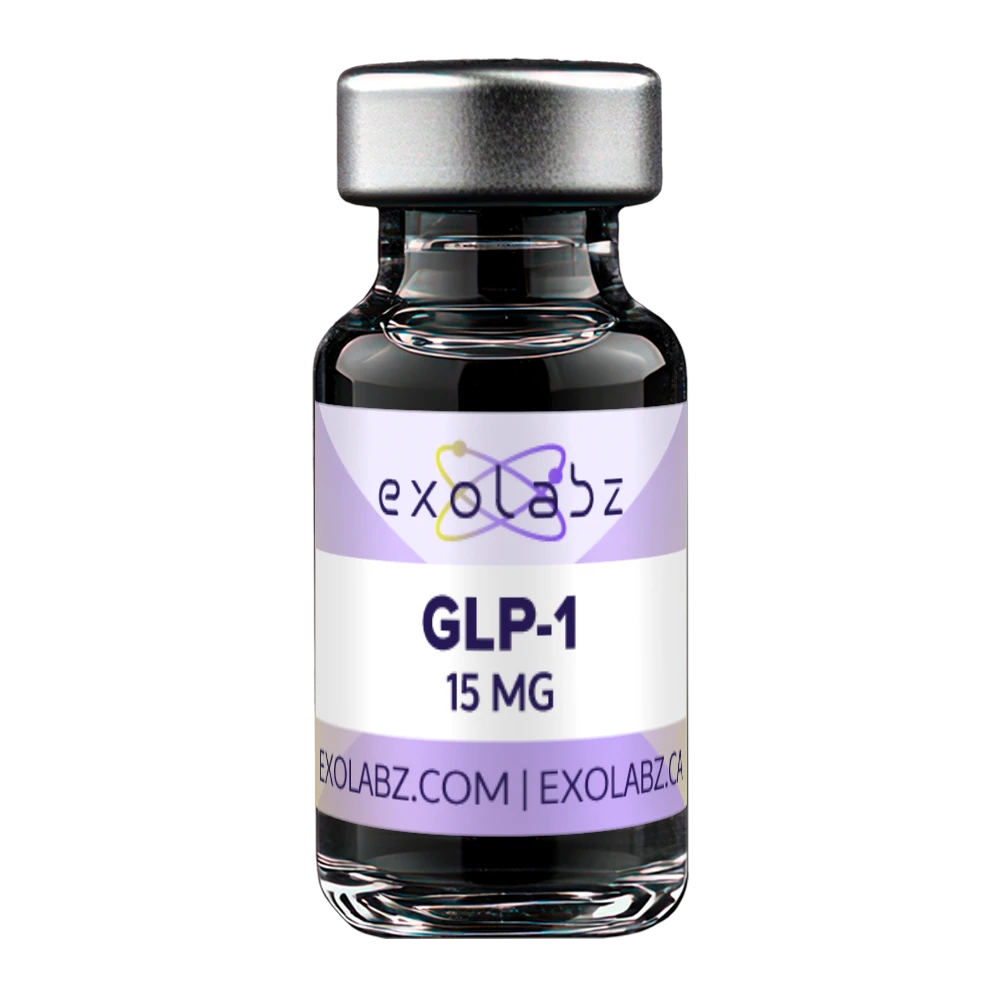
GLP-1 – Intended for controlled experiments in metabolic and biochemical research
Selank & Semax – Synthetic neuropeptides for laboratory research into cognitive or neurochemical pathways
All products are handled, stored, and shipped under strict laboratory-grade protocols to ensure stability, reproducibility, and research compliance.
Cities and Research Facilities We Serve in NWT
ExoLabz provides secure, discreet, and trackable shipping to laboratories and research facilities across the Northwest Territories, including:
Yellowknife
Inuvik
Hay River
Fort Smith
Behchokǫ̀
Fort Simpson
Norman Wells
Tuktoyaktuk
Fort Providence
We provide reliable access to research-grade peptides across the territory.
Why Laboratories in NWT Choose ExoLabz
ExoLabz supports northern researchers with consistent quality and reliable access, including:
🧪 COA-Verified Peptides – Third-party validation of identity and purity for all batches
🚚 Reliable Shipping to Remote Locations – Priority service for northern labs and research facilities
🔬 Strict Research-Use Compliance – All products are 100% research-grade
🇨🇦 Canadian-Based Fulfillment – Avoids cross-border customs delays and international sourcing issues
🤝 Trusted Nationwide – Reputation for professionalism, consistency, and reliability in research supply
Legal Disclaimer
All ExoLabz products are intended strictly for laboratory research. They are not approved for human or veterinary use, medical applications, or clinical consumption. Researchers are responsible for compliance with all federal, territorial, and institutional regulations governing research chemicals.
By purchasing from ExoLabz, you confirm that these compounds will be used solely for legal, ethical, and scientific research purposes.