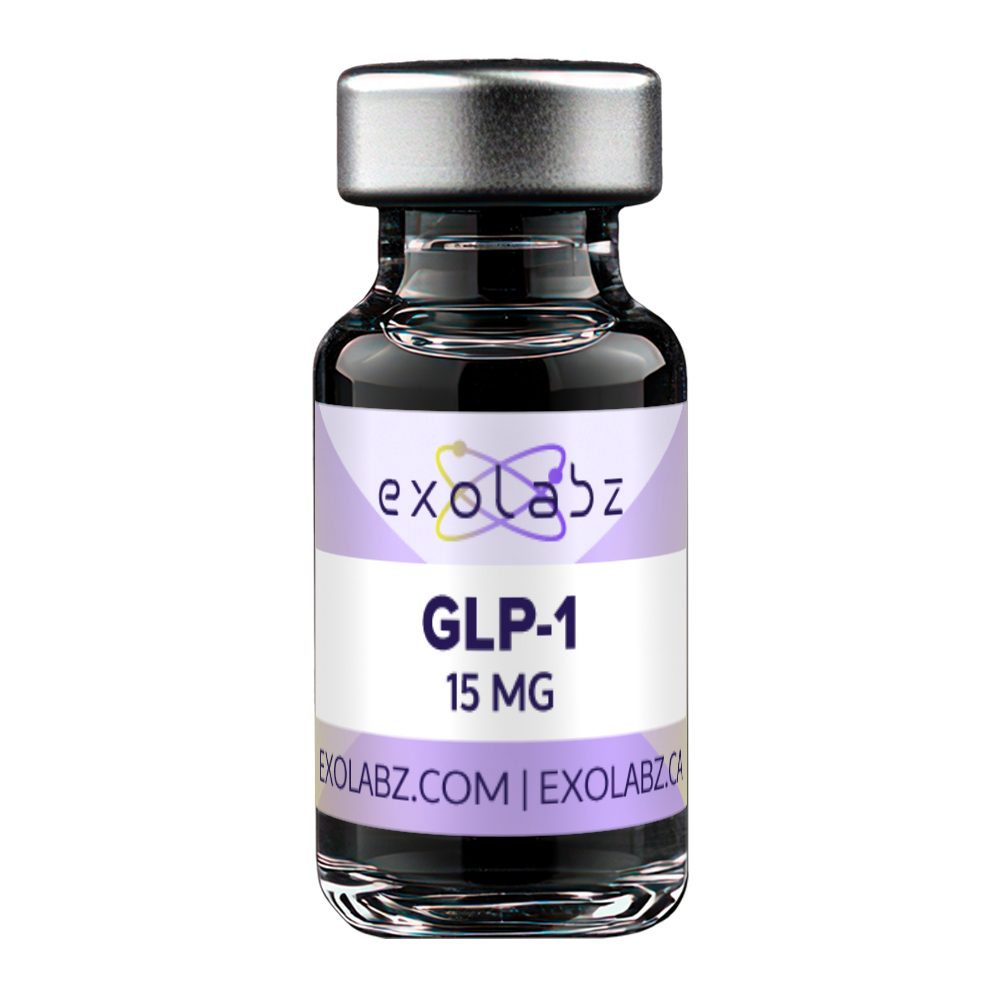
Storage and Stability of Lyophilised Research Peptides
Peptides are supplied lyophilised because dry powder is far more stable than peptide in solution. How that powder is handled between delivery and analysis determines whether your material still matches the certificate of analysis. Degradation is rarely visible, which is what makes it a problem: a partially degraded sample looks identical to an intact one.
Why lyophilised material is stable
Freeze-drying removes the water most degradation chemistry depends on. Hydrolysis of the peptide bond, deamidation of asparagine and glutamine residues, and oxidation of methionine, cysteine and tryptophan all proceed far more slowly in a dry solid than in aqueous solution. A well-stored lyophilised peptide can remain stable for years; the same peptide in solution at room temperature may degrade measurably within days.
Temperature
Store lyophilised peptides refrigerated at 2–8 °C. Short transit at ambient temperature is generally tolerated by dry powder, which is why peptides ship without cold chain, but ambient storage should not be extended. Degradation rates rise sharply with temperature, and a peptide left at room temperature for weeks has an unknown purity regardless of its original analysis.
Moisture is the main enemy
Lyophilised peptides are hygroscopic. A vial taken directly from the refrigerator sits below the dew point of room air, and opening it lets atmospheric moisture condense onto the powder immediately. That water does not leave when the vial is resealed, and it enables exactly the hydrolysis lyophilisation was meant to prevent.
The mitigation is procedural: allow the sealed vial to equilibrate to room temperature before breaking the seal, typically 20 to 30 minutes depending on vial size. Handle powder in a low-humidity environment where possible and reseal promptly. Desiccant storage helps for vials opened repeatedly.
Light and oxygen
Peptides containing tryptophan, tyrosine or phenylalanine are photosensitive, and residues including methionine and cysteine are prone to oxidation. Amber vials, opaque secondary containers and minimal bench exposure all reduce this. For particularly oxidation-sensitive sequences, purging headspace with an inert gas before resealing is standard practice.
Temperature cycling
Every time a vial is removed, warmed, opened and returned it passes through the dew point again, giving moisture another opportunity to condense onto the powder. The usual answer is aliquoting: divide material into single-use portions on first opening so the bulk stock is disturbed once rather than repeatedly. Record how many times any working aliquot has been opened.
Peptides in solution
Once reconstituted, stability drops substantially and becomes sequence- and buffer-dependent. Solutions should be refrigerated, kept for short periods, and prepared fresh where the experiment allows. pH matters: many peptides are least stable at extremes, and aspartate-containing sequences are particularly prone to isomerisation under acidic conditions. If a solution must be stored, aliquot it rather than holding a single stock through repeated sampling.
Recognising a problem
Visual inspection catches only gross issues. A lyophilised cake that has collapsed, discoloured or become sticky indicates moisture ingress. Incomplete dissolution, cloudiness or visible particulate on reconstitution suggests aggregation. Neither is a reliable early indicator. The definitive check is re-running analytical HPLC on the stored material and comparing the trace against the original chromatogram.
A practical protocol
- On receipt, transfer to a refrigerator at 2–8 °C without opening.
- Before first use, equilibrate the sealed vial to room temperature.
- Open in the lowest-humidity environment available; reseal promptly.
- Aliquot into single-use portions on first opening.
- Label every aliquot with compound, source batch, date and the number of times it has been opened.
- Keep the batch analysis with your records so stored material can be re-checked against its original trace.
Related reading: how to read a peptide certificate of analysis. Browse the research peptide catalogue.
All products referenced are supplied for laboratory research use only and are not approved for human consumption, clinical, or veterinary use.