Choosing a Research Peptide Supplier in Canada: What to Verify
Supplier claims in this market are largely unverifiable from the outside, which makes a small number of concrete checks worth more than any amount of marketing copy. Here is what to look for, and why each item matters.
1. Batch-specific analysis, not a generic document
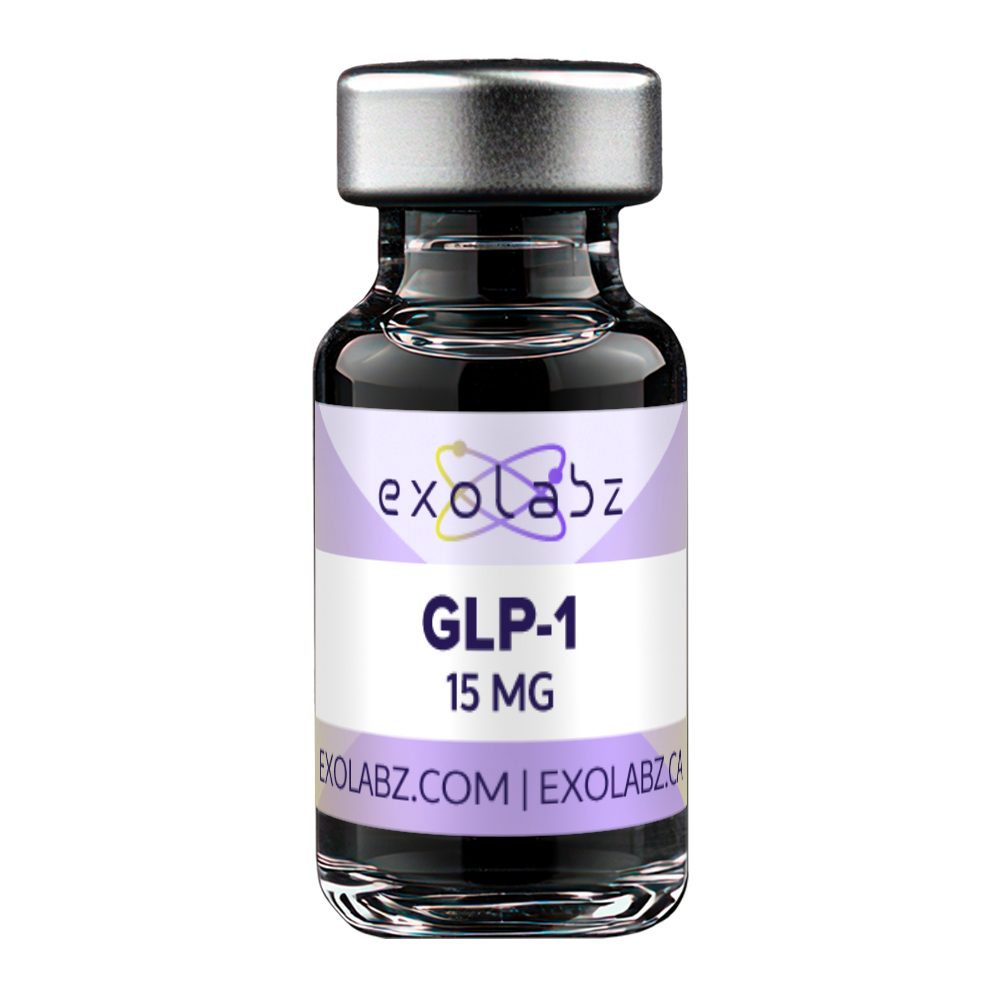
A certificate of analysis describes one production lot. A COA should carry photographs of the batch, and the cap and crimp colours on your vial should match the vials pictured. Without that visual link, the document tells you nothing verifiable about your material. Generic or undated analyses are a red flag.
2. The chromatogram, not just a percentage
A purity figure with no supporting trace is an assertion. The chromatogram lets you see whether the remaining few percent is one substantial co-eluting impurity or a scatter of trace peaks, and whether the main peak is symmetrical or shouldered.
3. Identity established separately from purity
HPLC establishes homogeneity. Mass spectrometry establishes what the homogeneous thing is. An analysis reporting purity without confirming identity has demonstrated a pure unknown. Look for theoretical and observed mass reported together.
4. Net peptide content
The figure most often missing, and the one that changes your arithmetic. Vial weight includes counter-ion and water, so a 10 mg vial typically holds 7–9 mg of peptide. Without it, concentrations carry an unquantified error and cross-supplier price comparisons are meaningless. See net peptide content explained.
5. Detection wavelength stated
Purity measured at 214 nm and at 280 nm are not comparable. The second under-reports anything without aromatic residues. A supplier stating the wavelength is one that understands the measurement.
6. Consistent, compliant product descriptions
Descriptions framed around human benefit — fat loss, healing, anti-ageing, libido — indicate a supplier operating outside the research-use framing, whatever the disclaimer at the bottom of the page says. That is a regulatory risk that can become your supply-continuity risk. See the regulatory status of research peptides in Canada.
7. Domestic dispatch
Material shipped from within Canada to a Canadian address crosses no border, so there is no customs examination, no detention risk and no import charge. International dispatch introduces all three, regardless of what the listing says.
8. Honest handling guidance
A supplier that tells you lyophilised material needs refrigerated storage, that vials should reach room temperature before opening, and that solutions have short shelf lives is describing reality. One that implies indefinite stability is not. See storage and stability.
9. Willingness to answer
Ask for the analysis on the specific lot you would receive before ordering. A supplier holding real data will send it. The response to that question tells you most of what you need to know.
What none of this covers
These checks establish that material is what it claims to be at the purity claimed. They do not make an unapproved compound safe or lawful to administer to a person, and no supplier documentation confers that. Research-grade material is not manufactured to pharmaceutical standards and carries no sterility or endotoxin assurance.
Browse the research peptide catalogue or read our guide to reading a certificate of analysis.
All products referenced are supplied for laboratory research use only and are not approved for human consumption, clinical, or veterinary use.