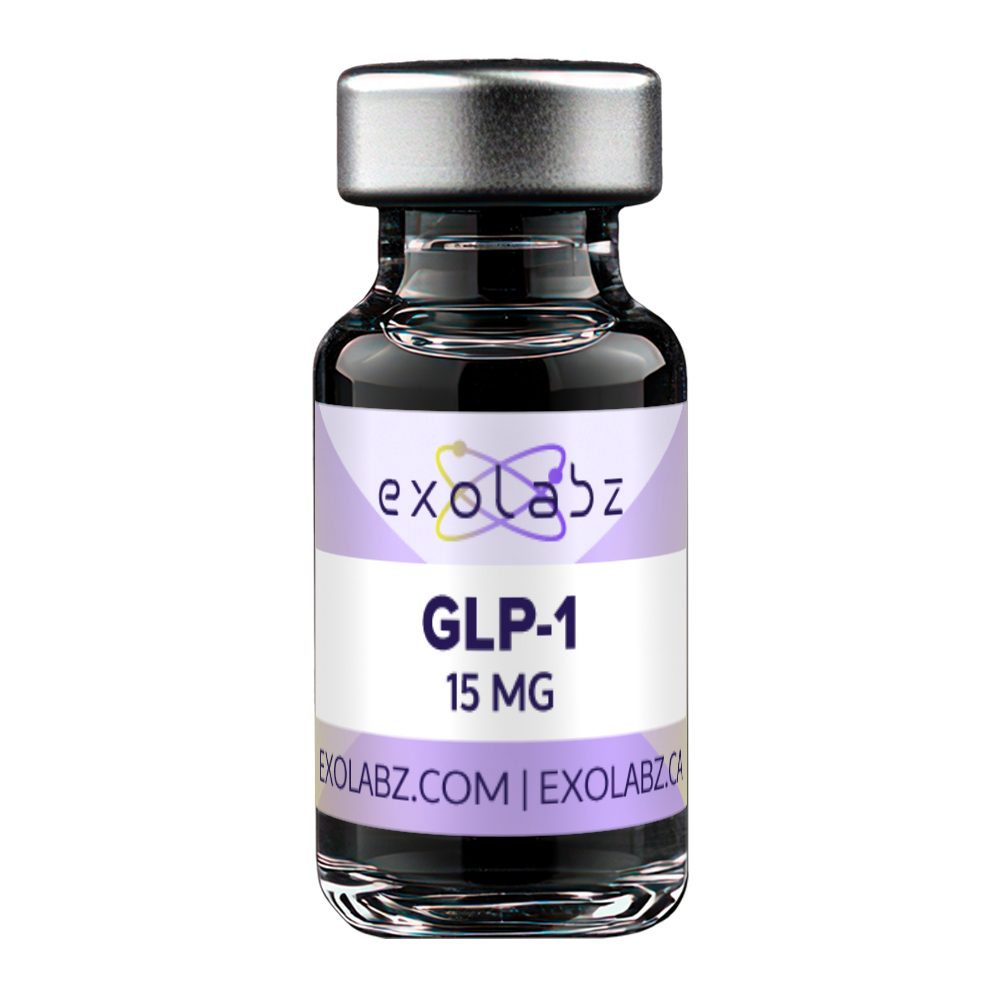
Choosing a Reconstitution Solvent for Research Peptides
Most reconstitution problems are solubility problems, and most solubility problems are predictable from the sequence. A peptide that will not dissolve is usually being put into the wrong solvent rather than being defective.
Work out the net charge first
Count the basic residues — arginine, lysine, histidine — and the acidic residues, aspartate and glutamate, then account for the free termini. The resulting net charge at neutral pH predicts the sensible first solvent.
A net positive peptide generally dissolves in slightly acidic conditions, and dilute acetic acid is a common starting point. A net negative peptide generally dissolves in slightly basic conditions, such as dilute ammonium bicarbonate or ammonium hydroxide. A peptide near neutral net charge, or one rich in hydrophobic residues, may need a small proportion of an organic co-solvent before dilution into aqueous buffer.
The instinct to reach straight for neutral phosphate buffer is the single most common cause of an apparently insoluble peptide. Neutral pH is precisely where a peptide of low net charge is least soluble.
Sterile water and bacteriostatic water
Sterile water is the plain option and is appropriate where the solution will be used promptly. Bacteriostatic water contains benzyl alcohol as a preservative, which suppresses microbial growth in a container that will be entered more than once.
Two cautions apply in a laboratory context. Benzyl alcohol is not inert in every assay — it has measurable effects in some cell culture systems and should be represented in vehicle controls rather than assumed neutral. And a preservative does not extend the chemical stability of the peptide itself; it addresses microbial growth only. Deamidation, oxidation and hydrolysis proceed regardless.
Dissolve gently
Add solvent down the vial wall rather than directly onto the peptide cake, and allow the material to wet before mixing. Swirl or roll the vial; avoid vortexing, and avoid sonication unless there is a specific reason for it. Both introduce shear and localised heating that can promote aggregation, particularly in sequences prone to it.
If material remains undissolved after several minutes, the answer is a different solvent, not more agitation.
After reconstitution
Solutions are far less stable than lyophilised powder. Refrigerate at 2–8 °C, keep the storage period short, and prepare fresh where the experiment allows. Our storage and stability note sets out the full guidance, including equilibrating a cold vial to room temperature before opening it.
ExoLabz supplies compounds for laboratory research use only. Nothing on this page is medical advice or a suggestion of human or veterinary use. Certificates of analysis for each compound are published on this site.