How to Read a Certificate of Analysis for Research Peptides
A Certificate of Analysis (COA) is the document that separates a characterised research compound from an unknown powder. It is also the document most buyers skim without reading. This guide explains what each section actually tells you, and what its absence should tell you.
What a COA is
A COA is a batch-specific analytical report produced after synthesis. It records what testing was performed on a particular lot, and what that testing found. Two points follow from this. First, a COA describes one batch, not a product line — a COA dated eighteen months ago does not describe the vial you are about to receive. Second, a COA reports measurements, not claims. Marketing copy asserts purity; a COA shows the chromatogram behind it.
Identity: mass spectrometry
Identity testing answers a simple question: is this molecule the one named on the label? Mass spectrometry (usually ESI-MS or MALDI-TOF) measures the mass-to-charge ratio of the compound and compares the observed molecular weight against the theoretical value calculated from the amino acid sequence.
On a COA you should see both figures — theoretical and observed — and they should agree closely. A meaningful discrepancy indicates a different molecule, an incomplete sequence, or a modification that was not disclosed. If a COA reports purity but never establishes identity, it has demonstrated that the vial contains something pure, without establishing what.
Purity: HPLC
Purity is normally determined by reversed-phase high-performance liquid chromatography (RP-HPLC). The sample is separated across a column, and a detector records absorbance over time. The target compound appears as a main peak; impurities, truncated sequences and deletion products appear as separate peaks.
Purity is expressed as the area of the main peak as a percentage of total peak area. Research-grade material is commonly reported at 98% or above. Two details matter more than the headline number:
- The chromatogram should be included, not just the percentage. A trace lets you see whether the remaining 2% is a single co-eluting impurity or a scatter of minor peaks.
- The detection wavelength should be stated — typically 214 nm for peptide bond absorbance, or 220 nm. Purity figures measured at different wavelengths are not directly comparable.
Peptide content and water content
This is the section most often missing, and it has direct practical consequences. Lyophilised peptides are hygroscopic and are usually supplied as salts, most often trifluoroacetate. A vial labelled 10 mg does not necessarily contain 10 mg of peptide: the balance is counter-ion, residual solvent and adsorbed water.
Net peptide content is determined by amino acid analysis or elemental nitrogen analysis and is typically reported in the 70–90% range. Water content is measured by Karl Fischer titration or thermogravimetric analysis. Without these figures, gravimetric calculations in your experiment carry an unquantified error, and comparisons between suppliers are not meaningful.
Batch traceability
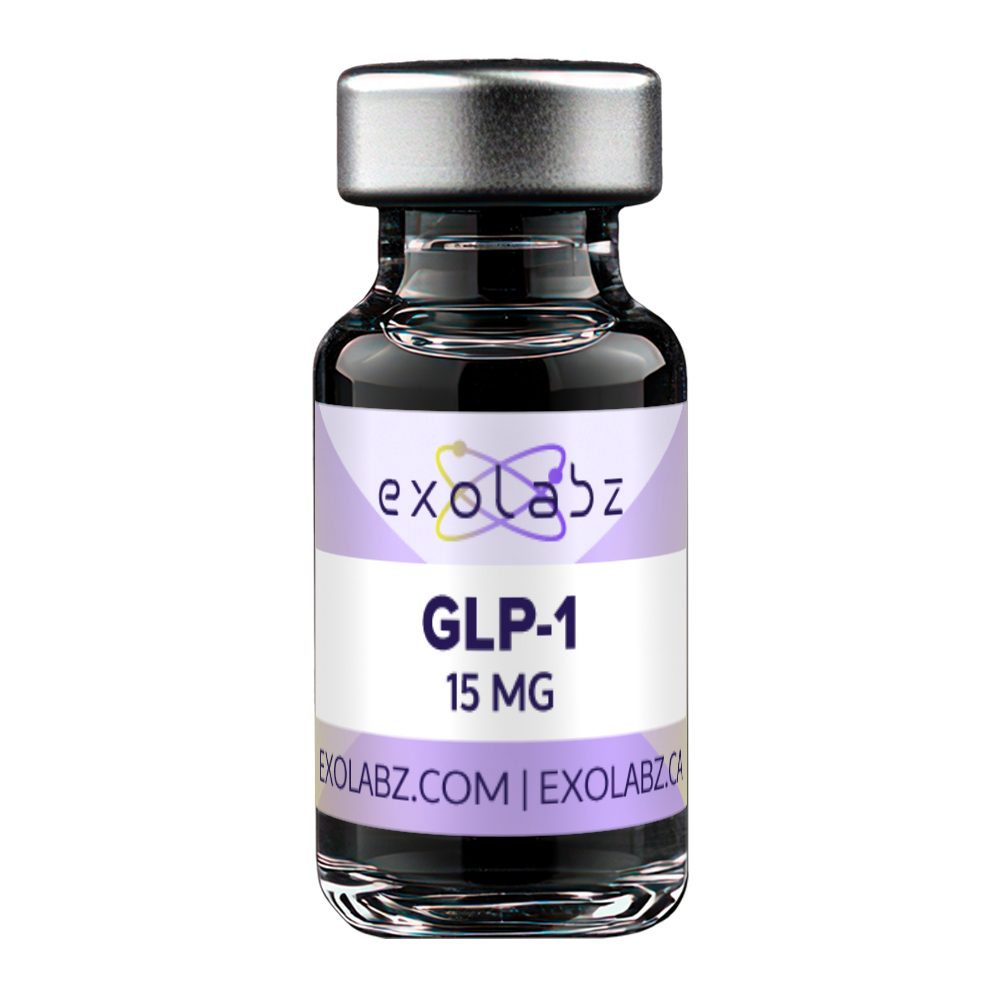
A usable COA identifies the specific lot it describes: batch or lot number, manufacture date, and analysis date. Each COA carries photographs of the batch it describes. The cap and crimp colours on the vial you receive should match the vials pictured on the document — that visual match is what ties the analysis to the material in your hand.
What should make you cautious
- No chromatogram. A purity percentage with no supporting trace is an assertion, not a measurement.
- No batch photographs, or vial caps and crimps that do not match the images shown.
- Identical COAs across multiple products. Chromatograms are effectively unique; repeated traces indicate a template rather than testing.
- No net peptide content. Common, but it means your effective concentration is unknown.
- No testing laboratory named. Third-party analysis should identify who performed it.
Practical use
Before running an experiment, confirm three things: the cap and crimp colours on your vial match the vials pictured on the COA, the observed mass matches theory, and the HPLC trace is present and legible. If net peptide content is reported, use it when calculating concentrations rather than the nominal vial weight. Retain the COA alongside your experimental records — if a result is later questioned, the analytical provenance of your material is part of the answer.
ExoLabz publishes batch certificates of analysis on this site. You can browse our research peptide catalogue or contact us for a specific lot before ordering.
All products referenced are supplied for laboratory research use only and are not approved for human consumption, clinical, or veterinary use.