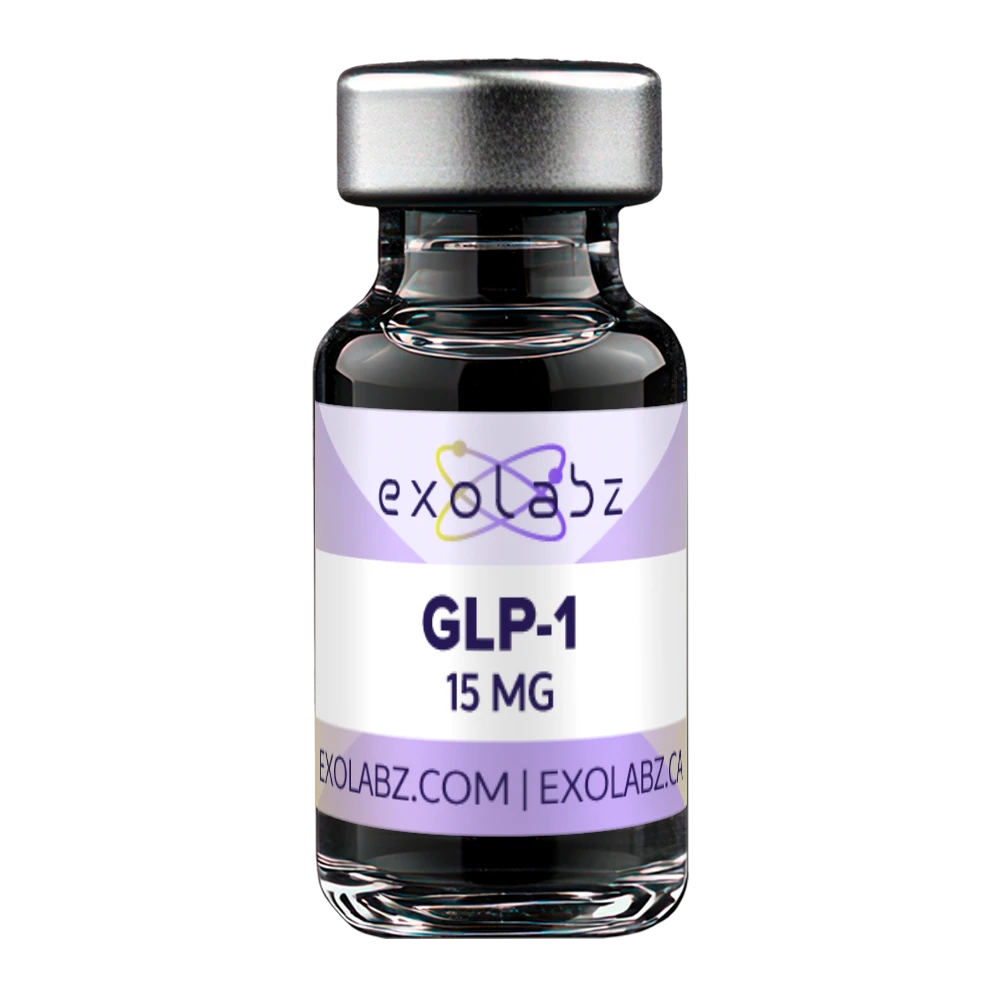
Vial Closures, Crimps and Headspace
The container is part of the storage condition. A vial closure controls how much moisture and oxygen reach the solid over months, and the differences between closure types are larger than their appearance suggests.
What a crimped seal does
A crimped vial uses a rubber stopper compressed against the glass lip by an aluminium ring. The compression is set during crimping and does not relax with handling, so the seal is consistent over time and does not depend on anyone tightening it correctly.
A screw cap relies on a liner pressed against the lip by thread tension. It is convenient and re-closable, and it is more permeable over long storage because the compression is less uniform and can loosen with temperature cycling.
The trade is access. A crimped vial is entered through the stopper with a needle rather than opened, which keeps the interior sealed between uses. That is the reason crimped closures are conventional for lyophilised material intended to be stored and entered repeatedly.
Headspace
The gas above the cake is part of the vial’s contents. Lyophilised material is typically stoppered under vacuum or backfilled with nitrogen before the stopper is fully seated, so the headspace is inert rather than air.
That matters for oxidation-prone residues. Methionine oxidises to the sulfoxide in the presence of oxygen, adding 16 daltons and appearing as a distinct satellite on a mass spectrum; cysteine and tryptophan are also vulnerable. A nitrogen headspace removes most of the available oxygen from the equation for the life of the seal. Deletion, truncation and oxidation impurities covers what oxidation looks like analytically.
A vacuum headspace has a secondary use: a vial that has lost vacuum draws air in when the stopper is pierced rather than pushing gas out, which is a rough indicator that the seal has held.
Coring
Repeated needle entry through a stopper can punch out a fragment of rubber, which falls into the vial. That is coring, and the fragment is a particulate contaminant that will be filtered out before analysis, taking some adsorbed peptide with it.
Coring risk rises with needle gauge and with the number of entries, and it is reduced by entering at an angle rather than perpendicular and by using the same puncture site rather than a fresh one each time. It is another argument for aliquoting: fewer entries, less opportunity. Aliquoting and vial entry covers the practice.
Glass
Laboratory vials are usually borosilicate, chosen for low thermal expansion and low alkali extraction. Soda-lime glass leaches more alkali into an aqueous solution over time, which raises pH — a slow drift that matters for sequences sensitive to it. Isoelectric point and pH-dependent solubility covers why pH governs both solubility and stability.
Peptides also adsorb to glass, and at low concentrations the fraction lost to the wall stops being negligible. This is why very dilute working solutions are often prepared fresh rather than stored.
All material is supplied for laboratory research use only. It is not a drug, not a supplement, and not for use in humans or animals.