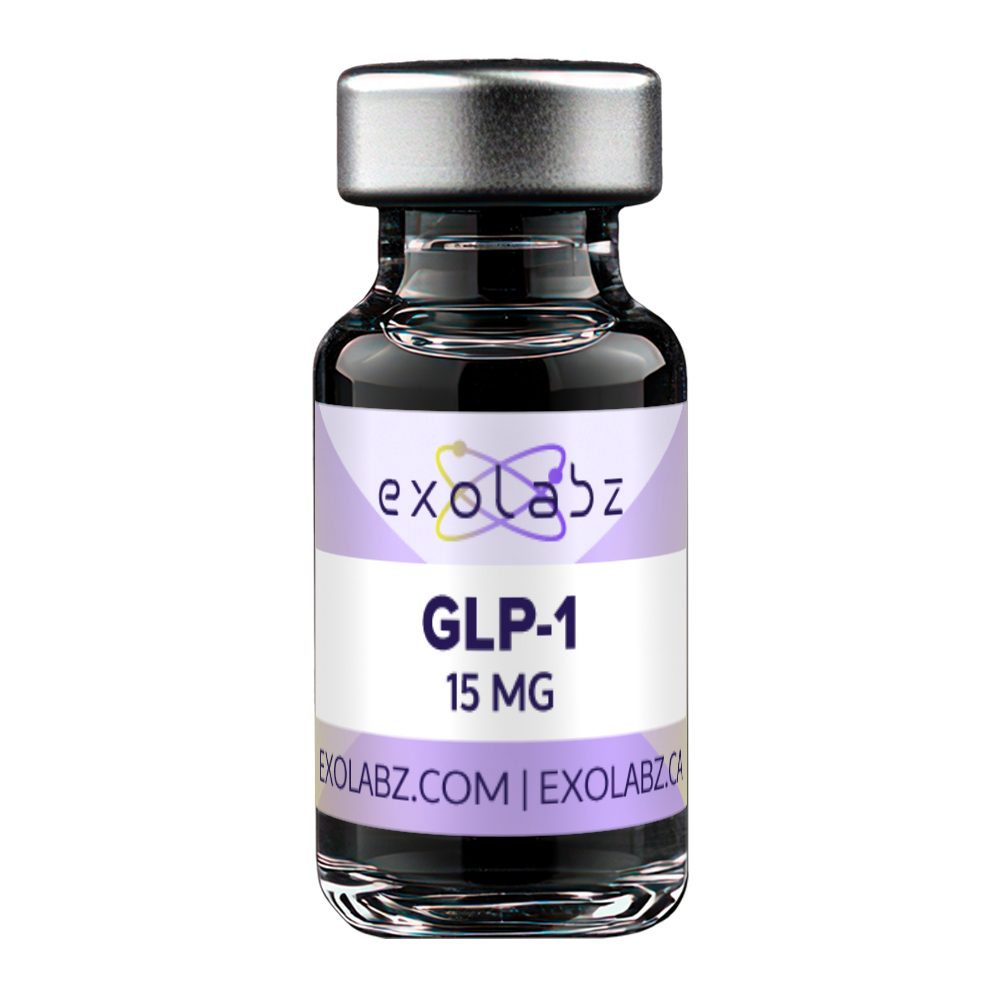
From a Dalhousie lab on the Halifax peninsula to a teaching bench at Acadia in Wolfville or Cape Breton University in Sydney, Nova Scotia researchers order certificate-backed compounds from ExoLabz on a domestic tracked service, so nothing bound for the province ever waits on a customs officer.
Who orders in Nova Scotia
Nova Scotia carries more of Atlantic Canada’s research capacity than the rest of the region combined, and most of it sits in Halifax. Dalhousie University accounts for the largest share, across the Carleton campus, the Life Sciences Research Institute and the Tupper Building, together with the Canadian Centre for Vaccinology. Research groups within Nova Scotia Health and the IWK Health Centre follow, and Saint Mary’s University and the federal marine and fisheries laboratories on the harbour make up much of the remainder.
Outside the capital, Acadia at Wolfville, St Francis Xavier at Antigonish and Cape Breton University at Sydney are the main addresses.
These are central-receiving sites, and a hospital in particular routes everything through a stores function before it reaches a laboratory. The carrier’s scan happens at the dock; the rest is internal and runs on the institution’s timetable. A label that names the department, the room and the person who will sign gets further than one that stops at the building. If a Dalhousie or Nova Scotia Health purchasing desk needs a formal quotation before it will raise an order, request one first: it will state the compound, the quantity and the Nova Scotia address it is going to.
Getting a peptide into solution in the first place
Each lot we sell goes through an outside laboratory first, and its certificate is posted here for a Nova Scotia buyer to read before ordering. The most common problem after a delivery is not the material at all: it is a stock that never fully dissolved.
Solubility is a property of the sequence rather than of the class. A peptide dense in acidic residues generally goes into a slightly basic buffer more readily; one dense in basic residues prefers slightly acidic conditions; a sequence with a long stretch of hydrophobic residues may need a small proportion of an organic co-solvent for the initial dissolution before dilution into an aqueous assay medium. Preparing a concentrated stock directly in neutral buffer, which is the default habit, is the single most frequent cause of incomplete dissolution.
The reason it matters is that incomplete dissolution does not announce itself. A faintly hazy solution reads as clear under bench lighting, and the result is a working concentration lower than the calculation says, which then presents as low potency and sends people looking for a problem with the compound. The diagnostic is straightforward: incomplete dissolution flattens the top of a dose-response curve, whereas adsorption losses at low concentration flatten the bottom. Add the solvent to the vial rather than tipping the powder into a tube, let it stand rather than vortexing hard, and inspect against a dark background before diluting. See storage and stability and aliquoting reconstituted peptides.
Regulatory position, stated plainly
Whatever ships to a Nova Scotia address is bench research material and nothing more. Not one product carries a Drug Identification Number or Canadian authorisation for sale for human use, and none is approved to be consumed, used in a clinic or given to an animal — whether the order comes from a hospital research group on the peninsula or a private lab in the Annapolis Valley.
That limit defines what is on offer rather than qualifying it. There are no dosing figures on this site, no protocols involving human or animal subjects and no claims about benefit or outcome, and none become available on request. Meeting Dalhousie, Nova Scotia Health or IWK policy, and whatever provincial and federal rules apply to the work, is the buyer’s responsibility; how research peptides are treated under Canadian regulation sets out the background.
What Nova Scotia laboratories order most
Every category below is open to Nova Scotia addresses from Yarmouth to Sydney:
- Incretin & Glucagon Peptides
- Growth Hormone Secretagogues — GHRH-type analogues alongside ghrelin-mimetic agonists
- BPC-157 & TB-500 Peptides
- Mitochondrial & Cellular Compounds
- Neuropeptides
- Melanocortin Peptides
- Copper Peptides
- Multi-Peptide Blends
Nova Scotia cities with a dedicated page
Halifax is so far the one Nova Scotia city given its own page: research peptides in Halifax deals with receiving at Dalhousie and the hospitals, the Cobequid Pass corridor and what hurricane season does to a delivery date. As the region’s main hub it usually sees a parcel a day or two after Montreal would from a central-Canada origin. Onward delivery to Dartmouth is same-day local; Sydney, Truro, New Glasgow and Cape Breton generally add a day on a regional route. We ship province-wide.
Maritime humidity, and storm interruption
Nova Scotia’s climate is maritime rather than continental: milder and considerably damper winters than the prairies, humid summers without extreme heat. For freeze-dried peptides on the Nova Scotia coast, then, damp air rather than heat is the variable to manage.
These compounds are hygroscopic, and high ambient humidity shows up at the bench rather than in transit. A vial opened in a damp room takes up water faster, and water in the cake accelerates hydrolysis and the deamidation of asparagine and glutamine residues — which matters particularly for sequences carrying an Asn-Gly or Asp-Gly motif. Equilibrate closed vials, weigh promptly, reseal. The note on weighing lyophilised peptides and our explainer on where peptide impurities come from go further.
The other maritime note is scheduling: an Atlantic storm interrupts regional transit for a day or two several times most winters, and every parcel in the region stops where it is. A February order therefore deserves more slack in the schedule than a June one.
HST on a Nova Scotia delivery
An order delivered anywhere in Nova Scotia attracts 14% HST, calculated at checkout on the delivery address and shown as a single harmonised line.
The province reduced its rate from 15% to 14% on 1 April 2025, which is recent enough that older quotes and invoices will show the higher number. Nova Scotia is now the only participating province at 14%.
Dalhousie, Saint Mary’s or any other GST/HST registrant claims the 14% back as an input tax credit, which leaves the pre-tax price as the real charge to a grant. A parcel that never leaves Canada also escapes duty and a broker’s fee, the two costs that usually push an imported order well past its sticker price. See comparing prices per milligram.
What Nova Scotia orders can include
- GHK-CU 100mg $104.99
- BPC-157 10mg $90.99
- BPC-157 5mg $56.99
- SERMORELIN 5mg $89.99
- TESAMORELIN 10mg $119.99 · restocking
- MELANOTAN-1 10mg $59.99
- AOD-9604 5mg $79.99
- SEMAX 10mg $60.99
Compounds we ship to Nova Scotia
Halifax is the entry point for most Nova Scotia orders, and every category listed above ships there on a domestic tracked service.
Rather than a long list of individual products, the eight categories above lead to every listing, and each listing states its own sequence, molecular formula and CAS registry number beside the third-party certificate for the lot now in stock. A Nova Scotia purchasing office can pull any of those records from the certificates of analysis archive and attach it to a requisition before the parcel is dispatched, and what an outside peptide test measures, and what it leaves out walks through the HPLC and mass-spectrometry figures on it.
Two habits suit the way research is spread across Halifax. Groups that share space between the Carleton campus, the Tupper Building and the hospital sites do well to write the certificate reference on the storage box the day a parcel is opened, since vials and paperwork can easily end up in different buildings. And because a certificate describes one lot rather than a product, a project running from autumn into spring should log the date a reorder brings in a new lot. Orders for Wolfville, Antigonish or Sydney follow the same routine through their own receiving desks. Nothing in the catalogue is sold to Nova Scotia buyers for any purpose beyond laboratory research.
Common questions about ordering in Nova Scotia
What does an order delivered to Nova Scotia pay in tax?
An order delivered anywhere in Nova Scotia attracts 14% HST, calculated at checkout on the delivery address and shown as a single harmonised line. The province reduced its rate from 15% to 14% on 1 April 2025, which is recent enough that older quotes and invoices will show the higher number.
Do Nova Scotia conditions change how vials are handled?
Nova Scotia's climate is maritime rather than continental: milder and considerably damper winters than the prairies, humid summers without extreme heat. For freeze-dried peptides on the Nova Scotia coast, then, damp air rather than heat is the variable to manage.
What kind of Nova Scotia buyer does this serve?
Nova Scotia carries more of Atlantic Canada's research capacity than the rest of the region combined, and most of it sits in Halifax. Dalhousie University accounts for the largest share, across the Carleton campus, the Life Sciences Research Institute and the Tupper Building, together with the Canadian Centre for Vaccinology.
Where else can an order be sent?
Halifax is so far the one Nova Scotia city given its own page: research peptides in Halifax deals with receiving at Dalhousie and the hospitals, the Cobequid Pass corridor and what hurricane season does to a delivery date.
What may a Nova Scotia order be used for?
Whatever ships to a Nova Scotia address is bench research material and nothing more. Not one product carries a Drug Identification Number or Canadian authorisation for sale for human use, and none is approved to be consumed, used in a clinic or given to an animal — whether the order comes from a hospital research group on the peninsula or a private lab in the Annapolis Valley.