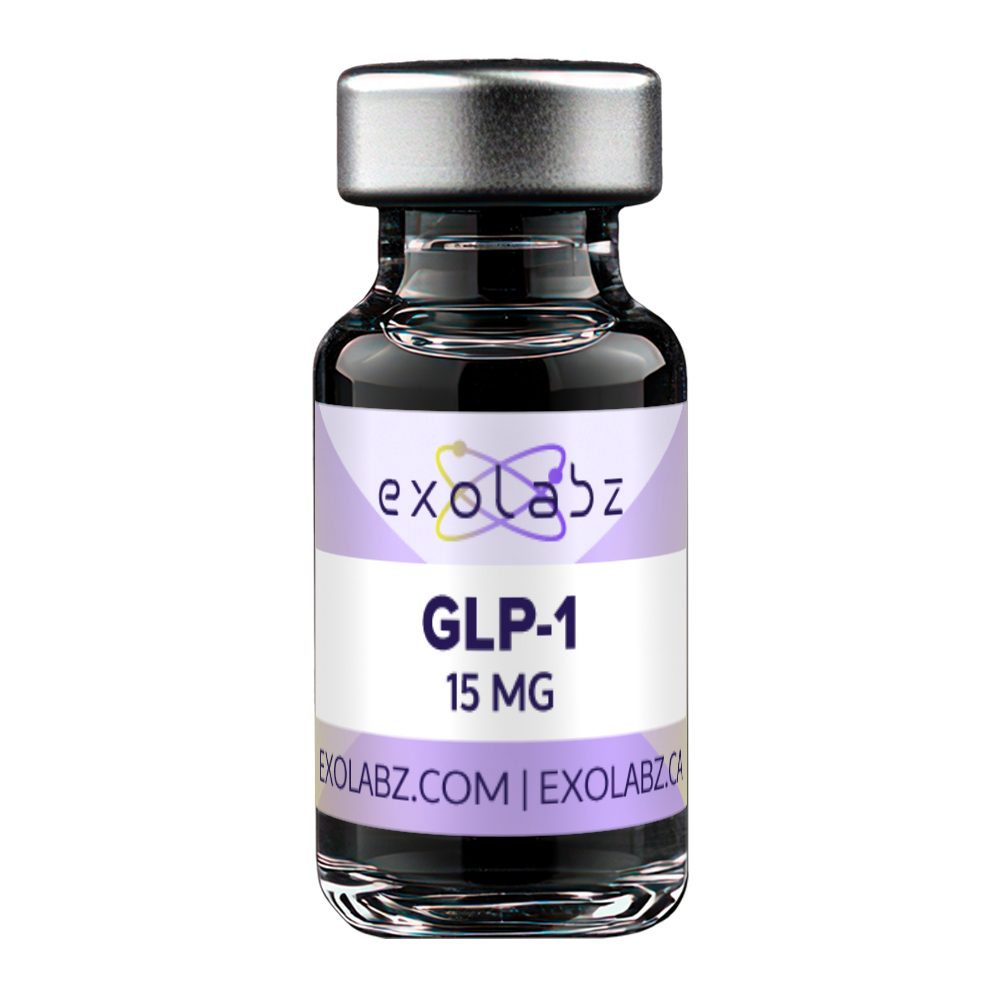
Researchers at the Canadian High Arctic Research Station in Cambridge Bay, the Nunavut Research Institute in Iqaluit and southern field teams based in the territory order third-party-tested research compounds from ExoLabz, sent on a domestic route so no parcel for Nunavut is held at customs.
Who orders in Nunavut
Nunavut’s research addresses are the most widely separated in the country. The Canadian High Arctic Research Station at Cambridge Bay is the largest permanent facility, with the Nunavut Research Institute and Nunavut Arctic College in Iqaluit, territorial government programmes, and a substantial amount of seasonal fieldwork run out of southern institutions using those bases.
Every community is served by air, and most receive freight on a schedule rather than daily. That makes confirming a recipient more important here than anywhere else: address the shipment to a named person who will be present, and where the delivery has to reach a field season it is worth ordering well ahead of the window rather than against it. Where the paperwork has to precede the order, ask for a quotation; it will set out the compound, the quantity and the community the parcel is going to.
Keeping the paperwork with the material
An independent laboratory tests every lot, and its certificate is posted on this site. On a route where reordering quickly is not an option, the record-keeping around a shipment matters more than it does elsewhere, and it is worth being deliberate about it on arrival rather than at write-up.
The batch identity is the thing to capture. Vials carry no printed batch number, so identification relies on the cap and crimp colours shown on the certificate, and the certificate’s own reference is what goes in the record. A certificate of analysis describes one batch, not a product line: purity, the impurity profile and net peptide content are batch-specific figures, and two vials of the same compound from different batches are two slightly different materials. If a study runs across a reorder and nobody recorded which batch produced which data, that difference becomes an uncontrolled variable that cannot be reconstructed afterwards.
The practical routine is short. On receipt, note the compound, the certificate reference, the date received and where it is stored, and save a copy of the certificate alongside the study records rather than relying on it remaining available elsewhere. When a stock is reconstituted, label each aliquot with the compound, concentration, batch and date. When reordering for continuing work, quote the certificate reference and ask whether that batch is still available, because knowing before the material ships is far better than inferring it later from a discontinuity in the data. Our guide to inventory, labels and records sets out a workable scheme, and reading a certificate of analysis covers what each field means.
Regulatory position, stated plainly
Material shipped to Nunavut is for laboratory research only. It has neither a Drug Identification Number nor any Canadian authorisation for human use, and it is cleared neither for people to take nor for clinical or veterinary application.
That boundary is the offer rather than a footnote to it. This site carries no dosing figures, no protocols involving human or animal subjects and no claims about benefit or outcome, and none can be obtained by asking. Research licensing through the Nunavut Research Institute, a home institution’s policies and the territorial and federal rules that apply rest with the purchaser; the Canadian regulatory position on research peptides is set out separately.
What Nunavut laboratories order most
Iqaluit, Cambridge Bay and every other Nunavut community can order across all eight categories:
- Incretin & Glucagon Peptides
- Growth Hormone Secretagogues — both GHRH analogues and ghrelin-receptor agonist peptides
- BPC-157 & TB-500 Peptides
- Mitochondrial & Cellular Compounds
- Neuropeptides
- Melanocortin Peptides
- Copper Peptides
- Multi-Peptide Blends
Air only, and the longest transit in Canada
Nunavut has no road connection to the rest of the country. Every parcel arrives by air, and the communities beyond Iqaluit — Rankin Inlet, Arviat, Cambridge Bay, Baker Lake — are served by a further scheduled leg with limited frequency. This is the longest and least elastic delivery in Canada, and it is worth planning for rather than discovering.
Two consequences. First, order well ahead: a week of margin is realistic for Iqaluit and more for the smaller communities, and weather cancels flights across the territory regularly. Second, order in fewer, larger shipments rather than more, smaller ones — each movement is a scheduling risk, and consolidating reduces the number of them. Bulk pricing is available on request; see bulk and repeat orders.
Sealift matters for freight generally in the territory but not for parcels of this size, which move by air year-round.
Why lyophilised powder is the right form for this route
This is the clearest illustration on the site of why these compounds ship dry rather than in solution. A solution on a multi-day, multi-leg air route with uncontrolled holding temperatures at each transfer would be a genuine problem. Lyophilised powder is not: it tolerates the transit, and the storage requirement starts when it reaches you.
What does matter on arrival is the cake’s appearance and the integrity of the crimp seal after a long journey in cold, low-pressure freight holds. Inspect before opening, photograph anything that looks wrong, and get the material to 2–8 °C. See what to check when a shipment arrives and storage and stability.
GST on a Nunavut shipment
A Nunavut shipment carries 5% GST only, based on the community it is delivered to rather than the billing address. A southern institution paying for delivery to Iqaluit or Cambridge Bay is therefore charged GST alone, whereas the same order sent to an HST province would carry more.
No duty or brokerage applies either, because the parcel is domestic from end to end. That matters on an air route this long: an imported parcel would add a brokerage charge collected at delivery, usually the line that turns an apparently cheaper listing into a dearer one. Comparisons are worked through in what cost per milligram hides and importing versus sourcing domestically.
Compounds we ship to Nunavut
- GHK-CU 100mg $104.99
- TESAMORELIN 10mg $119.99 · restocking
- SERMORELIN 5mg $89.99
- GLP-1/GIP/GLUCAGON 20mg $309.99
- GLP-1/GIP/GLUCAGON 15mg $229.99
- SELANK 10mg $79.99
Compounds we ship to Nunavut
Iqaluit is the main Nunavut destination, and each compound in the catalogue reaches it on the same domestic service.
No long product list appears here: the categories above lead to every listing, and each one gives its sequence, molecular formula and CAS registry number with the third-party certificate for the lot in stock. Download the relevant record from the certificates of analysis page before the parcel leaves the south, so it is already on file when the vials reach Iqaluit or Cambridge Bay, and use what a third-party peptide test measures to read the HPLC and mass-spectrometry results.
The practical advice for Nunavut follows from the flights. One larger order placed well before the field season is safer than several small ones, and a named recipient who will be in the community when the plane arrives matters more than any shipping option. Once the parcel is in, check each vial’s cap and crimp against its certificate, file the certificate with the study records, and make a note if a later order brings a new lot. Everything in the catalogue is supplied to Nunavut for laboratory research use only.
Common questions about ordering in Nunavut
What does an order delivered to Nunavut pay in tax?
A Nunavut shipment carries 5% GST only, based on the community it is delivered to rather than the billing address. A southern institution paying for delivery to Iqaluit or Cambridge Bay is therefore charged GST alone, whereas the same order sent to an HST province would carry more.
What decides the arrival day in Nunavut?
Nunavut has no road connection to the rest of the country. Every parcel arrives by air, and the communities beyond Iqaluit — Rankin Inlet, Arviat, Cambridge Bay, Baker Lake — are served by a further scheduled leg with limited frequency.
What kind of Nunavut buyer does this serve?
Nunavut's research addresses are the most widely separated in the country. The Canadian High Arctic Research Station at Cambridge Bay is the largest permanent facility, with the Nunavut Research Institute and Nunavut Arctic College in Iqaluit, territorial government programmes, and a substantial amount of seasonal fieldwork run out of southern institutions using those bases.
On arrival in Nunavut, what happens next?
An independent laboratory tests every lot, and its certificate is posted on this site. On a route where reordering quickly is not an option, the record-keeping around a shipment matters more than it does elsewhere, and it is worth being deliberate about it on arrival rather than at write-up.
What may a Nunavut order be used for?
Material shipped to Nunavut is for laboratory research only. It has neither a Drug Identification Number nor any Canadian authorisation for human use, and it is cleared neither for people to take nor for clinical or veterinary application.