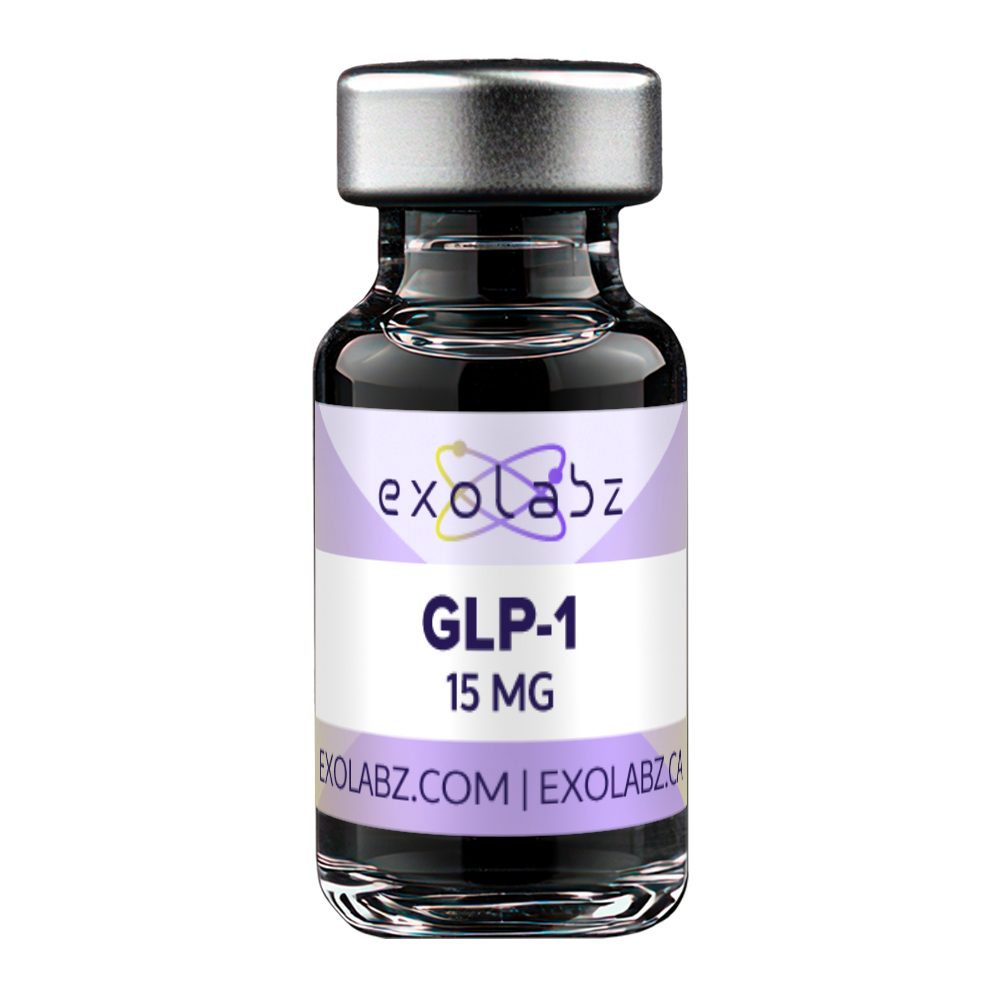
Yukon University labs, territorial government analysts and summer field teams working out of Whitehorse order certificate-backed research compounds from ExoLabz, and because every parcel travels within Canada, none of them stops at customs on the way north.
Who orders in Yukon
Yukon’s research addresses are few and mostly in Whitehorse. Yukon University and the Yukon Research Centre account for the largest share, with territorial government laboratories, environmental and mining-related analytical work, and visiting field programmes run out of southern universities making up the rest.
Because a good deal of that activity is seasonal, the most useful thing to establish before ordering is who will be present to receive the parcel. Address it to a named person rather than to a building, and where a delivery has to land inside a specific window, say so when the order is placed. If a purchase order has to exist before anything ships, ask for a quotation; it will name the compound, the quantity and the Whitehorse or community address.
Light and oxygen, the two things a cold dry climate does not protect against
Independent analysis covers every lot, and the certificates are online for a Whitehorse buyer to check before ordering. Yukon’s cold, dry air is genuinely favourable for lyophilised material, and that makes it worth being precise about what it does not help with.
Cold and dryness suppress the water-dependent degradation routes: hydrolysis of the backbone and deamidation of asparagine and glutamine residues both need moisture, and a sealed powder in a dry cold environment is about as protected from them as it gets. Oxidation is a different mechanism and is not suppressed by either. Methionine, cysteine and tryptophan residues oxidise on exposure to atmospheric oxygen, and the reaction is accelerated by light rather than by heat, so a vial left on a bench under laboratory lighting in a cold building is not in a safe condition simply because the building is cold.
The countermeasures are specific to the mechanism. Amber vials or an opaque box address light. Keeping the vial sealed until use, and minimising headspace and the number of times it is opened, addresses oxygen. Neither of those is the same as refrigeration, which is why storage advice that stops at a temperature is incomplete. Where a certificate reports an oxidised impurity, that is the history of the material rather than a fault in its synthesis. See how peptides degrade and where peptide impurities come from.
Regulatory position, stated plainly
A Yukon order buys laboratory research material and nothing beyond it. The compounds have no Drug Identification Number and no Canadian market authorisation for human use, and none may be taken by people or used in clinics or on animals.
That is what the offer consists of rather than a caution attached to it. This site offers no dosing figures, no protocols for work with people or animals and no statements about benefit or outcome, and a request will not change that. Meeting Yukon University policy and the territorial and federal requirements that apply to a project is up to the purchaser, and the overview of research peptide regulation in Canada sets out the framework.
What Yukon laboratories order most
Whitehorse and the smaller communities can order from any category:
- Incretin & Glucagon Peptides
- Growth Hormone Secretagogues — GHRH-derived sequences and GHS-R agonists
- BPC-157 & TB-500 Peptides
- Mitochondrial & Cellular Compounds
- Neuropeptides
- Melanocortin Peptides
- Copper Peptides
- Multi-Peptide Blends
Yukon has road access, which makes it the easiest of the three territories
This is the practical distinction worth knowing. Whitehorse is connected to the south by highway through British Columbia and Alberta, so freight arrives by road as well as by air. That gives Yukon deliveries something Nunavut has no equivalent of: a route that runs every day rather than on a flight schedule.
Expect a longer window than a southern city — the distance is real — but a predictable one. Onward delivery to Dawson City, Watson Lake and the smaller communities adds a regional leg. Winter road conditions interrupt service occasionally rather than routinely.
Cold, dry air is a genuine advantage
Yukon winters are cold and very dry, and low atmospheric humidity helps with hygroscopic material more than most people expect: an opened vial takes up water more slowly here in February than almost anywhere else in the country.
The discipline is unchanged. A cold vial opened immediately in a warm room condenses moisture onto the powder because the glass sits below the dew point of the indoor air, so let it equilibrate closed. Packaging also becomes brittle in deep cold — inspect the vials and crimp seals, not just the box. See weighing lyophilised peptides and what to check on arrival.
GST on a Yukon delivery
A Yukon delivery carries 5% GST only, set at checkout by where the parcel is going rather than where the card is billed. Because tax follows the destination, the same basket sent to an HST province such as Ontario or Nova Scotia costs more.
Nor is there customs duty or a carrier brokerage charge, since the parcel never leaves Canada. Imported listings rarely show brokerage up front; the carrier collects it at the door, and it is often the biggest cost nobody budgeted for. Our pages on what cost per milligram hides and importing versus sourcing domestically set out the full comparison.
Shipping to Yukon this week: a sample of the range
- MOTS-C 10mg $67.99
- GLP-1/GIP 15mg $239.99
- SEMAX 10mg $60.99
- GHK-CU 50mg $59.99
- TB500 5mg $77.99
- BPC-157 10mg $90.99
- TESAMORELIN 10mg $119.99 · restocking
- SERMORELIN 5mg $89.99
Compounds we ship to Yukon
Whitehorse handles most Yukon volume, and every compound in the catalogue ships there on the same terms.
Each category above opens onto the full set of listings, and every one of them shows the compound’s sequence, molecular formula and CAS registry number beside the third-party certificate for the lot in stock. Yukon University and territorial laboratories can download any record from the certificates of analysis page and keep it with the purchase paperwork, while what a third-party peptide test reports explains the HPLC and mass-spectrometry figures for anyone new to them.
Because much of the territory’s research follows the field season, it pays to time an order so it lands in Whitehorse while the team is still in town rather than after it has left for Dawson City or a camp on the Alaska Highway. Grouping everything a season needs into one shipment also keeps the number of deliveries, and the number of people who must be present to receive them, to a minimum. Keep the certificate with the vials once they arrive, and note any change of lot between orders in the project record. Orders for Watson Lake, Haines Junction or Dawson City are handled the same way, with one extra regional leg after Whitehorse. All of it is sold for laboratory research use only.
Common questions about ordering in Yukon
Which tax rate applies in Yukon?
A Yukon delivery carries 5% GST only, set at checkout by where the parcel is going rather than where the card is billed. Because tax follows the destination, the same basket sent to an HST province such as Ontario or Nova Scotia costs more.
Does the climate in Yukon affect the material?
Independent analysis covers every lot, and the certificates are online for a Whitehorse buyer to check before ordering. Yukon's cold, dry air is genuinely favourable for lyophilised material, and that makes it worth being precise about what it does not help with.
What is the transit into Yukon like?
This is the practical distinction worth knowing. Whitehorse is connected to the south by highway through British Columbia and Alberta, so freight arrives by road as well as by air. That gives Yukon deliveries something Nunavut has no equivalent of: a route that runs every day rather than on a flight schedule.
Who is eligible to order into Yukon?
Yukon's research addresses are few and mostly in Whitehorse. Yukon University and the Yukon Research Centre account for the largest share, with territorial government laboratories, environmental and mining-related analytical work, and visiting field programmes run out of southern universities making up the rest.
Is any of this intended for administration?
A Yukon order buys laboratory research material and nothing beyond it. The compounds have no Drug Identification Number and no Canadian market authorisation for human use, and none may be taken by people or used in clinics or on animals.