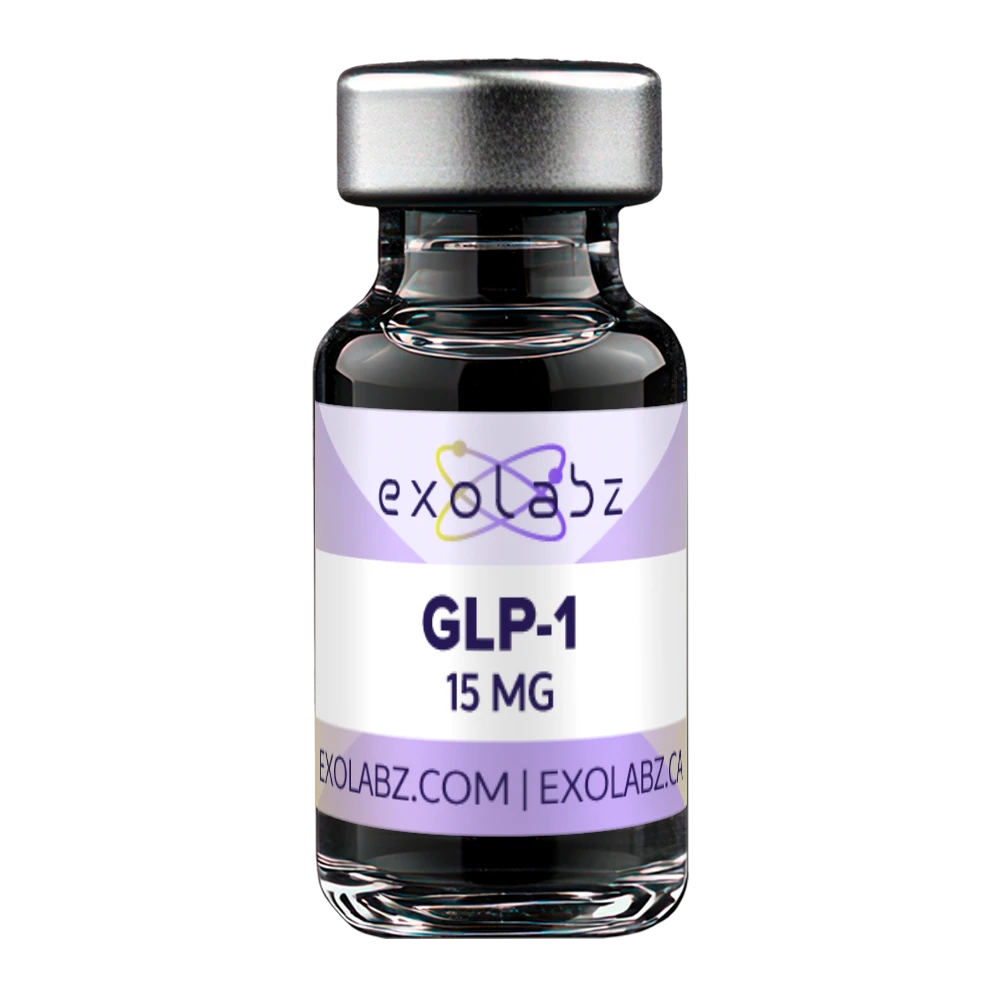
Lyophilisation and What the Cake in the Vial Tells You
Research peptides arrive as a dry solid because peptides in solution do not keep. Lyophilisation is the process that produces that solid, and the appearance of the cake it leaves behind is the first piece of information a vial gives you — before any certificate is read.
What lyophilisation does
The peptide is dissolved, frozen, and then the water is removed by sublimation under vacuum: ice passes directly to vapour without melting. Because the material never returns to a liquid state at ambient temperature, the degradation routes that operate in solution — hydrolysis, deamidation, oxidation — are largely suspended while the solid stays dry.
What remains in the vial is peptide, the counter-ion left from purification, and a residue of water that sublimation did not reach. That residual water is measured rather than assumed, by Karl Fischer titration, and it is commonly a few percent. Water content in lyophilised peptides covers the measurement.
Reading the cake
A well-formed lyophilisation cake is a uniform, opaque plug that occupies a predictable fraction of the vial. Deviations from that carry information:
- Collapse — a shrunken, glassy or syrupy layer at the base indicates the material warmed above its collapse temperature during drying. Collapsed material typically holds more residual water than a properly dried cake.
- Cracking or retraction from the wall — usually cosmetic, and common where the fill volume was small relative to the vial.
- A powder rather than a cake — not in itself a fault. Short peptides at low fill masses frequently dry to a loose powder.
- Discolouration — a departure from the expected appearance for that compound. For a copper complex the colour is itself an analytical signal; the coordination chemistry covers why.
None of these replace a certificate. They are a free first check that costs nothing and occasionally catches something before the vial is opened.
Why the solid is hygroscopic
A freeze-dried cake has enormous surface area — that is what makes it dissolve quickly — and that same surface takes up atmospheric moisture readily. A vial opened cold collects condensation on the solid, and the mass you then weigh is no longer the mass you believe you are weighing. Bringing a vial to room temperature before opening it is not fussiness; it is the difference between a measured quantity and an approximate one. Weighing lyophilised peptides covers why a balance reading climbs while the reading is being taken.
What the cake mass is not
It is not the mass of peptide. The figure on the label is the mass of solid in the vial, which includes the counter-ion and the residual water discussed above. A vial can be 98% pure by HPLC and 78% peptide by mass at the same time, both figures honest and answering different questions. Net peptide content explained sets out the arithmetic, and TFA and acetate counter-ions covers how much the salt form contributes.
Where a concentration is needed from a label mass and a solvent volume, our reconstitution calculator does the conversion.
What lyophilisation does not establish
It says nothing about sterility and nothing about endotoxin. Freeze-drying is a preservation step, not a sterilisation step: a lyophilised solid can carry whatever burden the solution carried into the dryer. Those are separate tests and they are not part of routine peptide characterisation. Endotoxin, sterility and the limits of research grade covers what research grade does and does not mean.
All material is supplied for laboratory research use only. It is not a drug, not a supplement, and not for use in humans or animals.